CS2 Rarity Tiers Explained
Master CS2 rarity tiers with our guide. Learn why CS2 rarity affects drop odds, trade-up contracts, and skin prices to help you build your inventory like a pro.
Understanding CS2 Rarity Tiers: A Comprehensive Guide
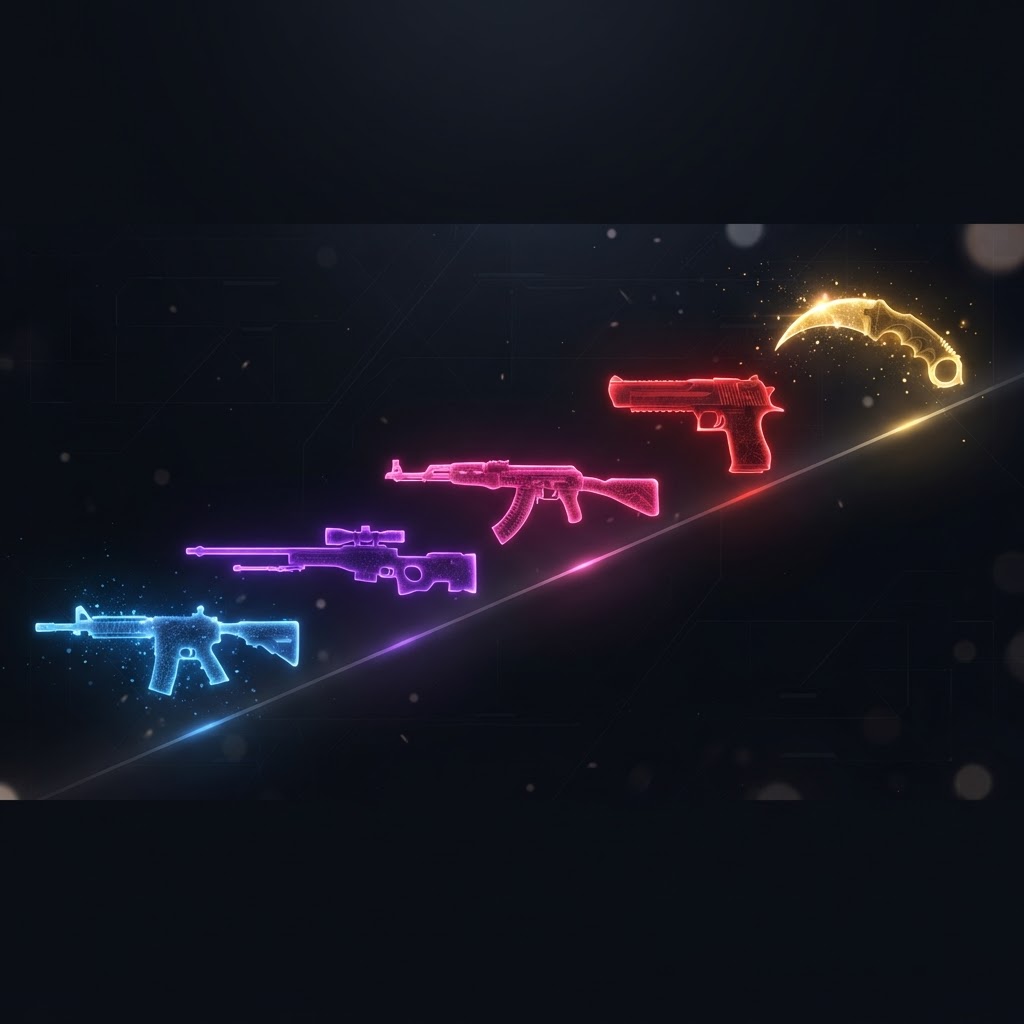
Rarity tiers are the foundational pillar of the Counter-Strike 2 economy, dictating the drop probability of every item you unbox or receive as a weekly reward. For the uninitiated, these tiers categorize weapon finishes based on their scarcity, which directly influences their market value and long-term investment potential.
Whether you are a casual player hunting for a cheap playskin or a budding trader calculating the risks of trade-up contracts, understanding how these colors function is mandatory. This guide dissects the hierarchical structure of CS2 rarity, exploring why some skins remain affordable while others command thousands of dollars in the Steam Market.
Consumer Grade (White)
Commonly referred to as "greys," these skins represent the baseline of the drop pool. They are never found in weapon cases but appear frequently in weekly souvenir drops or low-tier collection updates. Prices are generally negligible, often hovering near the minimum market threshold.
- Example: P250 Sand Dune, a meme-status skin that remains the quintessential low-tier item.
Industrial Grade (Light Blue)
The next tier up, Industrial Grade, is slightly more refined but still functions as filler for larger collections. Like Consumer Grade items, these are primarily found in active map drops rather than cases.
- They rarely see significant price appreciation, serving mostly as cheap trade-up fodder.
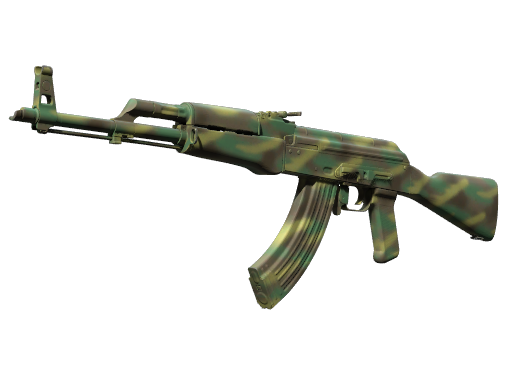
- Representative example: P250 Boreal Forest.
Mil-Spec (Blue)
Mil-Spec is where the case-drop system officially begins. In any standard weapon case, you have roughly an 80% chance to pull a Mil-Spec item.
- Because they are the most common case outcome, they are rarely expensive.
- They are vital for trade-up contracts.
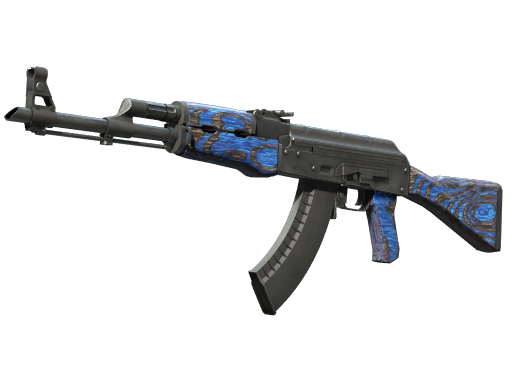
- Notable example: M4A4 Griffin, a budget-friendly but visually distinct rifle skin.
Restricted (Purple)
Restricted skins occupy the "purple" tier and appear in approximately 16% of case openings. These items offer significantly better artwork and design complexity than lower tiers. While still abundant, certain Restricted skins from older or discontinued collections can hold decent value. An example is the M4A4 Desert-Strike.
Classified (Pink)
Moving into the "pink" category, we hit the Classified tier. With a drop rate of roughly 3.2%, these skins are the primary targets for many collectors. They serve as the "mid-range" luxury items.
- Example: AWP Graphite, which is highly sought after for its utility in high-stakes trade-up contracts for Covert skins.
Covert (Red)
Covert skins, the vibrant red items, are the "top-shelf" drops, appearing with a frequency of about 0.64%. These are the faces of their respective collections and often represent the pinnacle of weapon design. The AK-47 Vulcan is an iconic Covert skin that commands a high price due to its popularity and aesthetic.
Contraband (Gold/Orange)
The Contraband tier is a unique historical anomaly. The M4A4 Howl is the only skin in CS2 classified as Contraband.
- It was pulled from the Huntsman Case due to copyright issues.
- It is the only skin that can never be obtained through standard drops or trades, making it a legendary asset.
Extraordinary (Gold)
Extraordinary items include knives and gloves, representing the rarest outcome in any case at roughly 0.26%. These are categorized by their finish and pattern rather than just a static design. Whether it is a Karambit Doppler or Specialist Gloves, these items serve as the ultimate status symbols in CS2.
| Tier | Color | Source | Drop Odds | | :--- | :--- | :--- | :--- | | Mil-Spec | Blue | Cases | 80% | | Restricted | Purple | Cases | 16% | | Classified | Pink | Cases | 3.2% | | Covert | Red | Cases | 0.64% | | Extraordinary | Gold | Cases | 0.26% |
Misconceptions and Market Realities
Many newcomers assume that a higher tier automatically equals a higher price, but this is a dangerous fallacy. A field-tested high-tier skin can be worth less than a Factory New Restricted skin if the latter is from a discontinued, rare collection. Furthermore, rarity is only one piece of the puzzle.
The most important takeaway: Rarity is only one piece of the puzzle; float value and pattern index often outweigh rarity tiers when determining price.
- The float value (wear level) and pattern index often outweigh rarity tiers.
- Combining ten skins of a specific rarity tier guarantees a result from the tier immediately above it.
- StatTrak technology adds a layer of rarity, as these items are significantly harder to find and often double or triple in price.
Frequently Asked Questions
Does a higher rarity tier guarantee a better-looking skin?
Not necessarily. Rarity is primarily a measure of supply and demand dictated by drop rates. Many Mil-Spec or Restricted skins feature community-designed artwork that players prefer over some more common Covert designs. Aesthetics are subjective, so choose based on personal preference.
Can I trade up to an Extraordinary item?
No. Trade-up contracts only function for weapon finishes. Because knives and gloves are classified as Extraordinary items and operate on a completely different drop table, they cannot be obtained via the standard ten-item trade-up contract.
Why are some Mil-Spec skins more expensive than Restricted skins?
Supply volume and collection availability drive these discrepancies. If a Mil-Spec skin belongs to an extremely old, discontinued collection like the original 'Bravo' case, its limited supply makes it rarer than a modern Restricted skin. Always check the specific collection origin, as historical availability is often more influential than the color of the rarity tag.