How to Buy CS2 Skins (Safely)
Learn how to safely buy CS2 skins with our expert guide. We cover the best marketplaces like CSFloat and Skinport, essential security tips, and avoiding scams.
Navigating the CS2 Skin Economy: A Comprehensive Guide to Buying Safely
Buying skins for Counter-Strike 2 is more than a cosmetic upgrade; it is an entry into a complex, player-driven economy. Whether you are hunting for a factory-new knife or building a loadout, the marketplace can be intimidating. This guide provides a tactical roadmap to acquiring skins without falling victim to the scams that plague the ecosystem.
Step-by-Step Guide to Acquiring Skins
1. Understanding Marketplace Models
Marketplaces operate using different models. Choose your platform based on your budget and whether you prioritize speed or value.
| Marketplace Type | Key Traits | Fees | | :--- | :--- | :--- | | Steam Community Market | Official, high liquidity | 15% High | | Peer-to-Peer (e.g., CSFloat) | Lower prices, direct transfers | Low | | Instant-sell (e.g., DMarket) | High speed | Variable | | Buff163 | Global liquidity hub | Low |
2. Factoring in Fees and Real Value
Always calculate the effective price. A skin might look cheap, but high withdrawal or deposit premiums can lead to overpaying. Use a pricing aggregator to compare listing prices against recent sales on Buff163, the industry standard for true market value. Never rely on the Steam Market price alone, as it is often inflated by tax overheads.
3. Verifying Marketplace Reputation
Trust is your most important currency. Only use established marketplaces with a transparent history and verified Trustpilot scores.
- Use sites like CSFloat for their advanced escrow systems.
- Utilize Skinport for their rigorous identity verification.
- Avoid sites with a non-existent presence on r/GlobalOffensiveTrade.
- Close any site immediately if the login pop-up does not match the official Steam URL structure.
4. Mastering Steam Trade Holds and 2FA
Steam Guard Mobile Authenticator is mandatory to prevent a 15-day trade hold. Regardless, remember the 7-day trade hold rule: any skin received cannot be traded again for one week. Ensure your inventory is set to 'Public' for bot delivery, but keep your API key hidden at all times.
5. Inspecting Float and Patterns
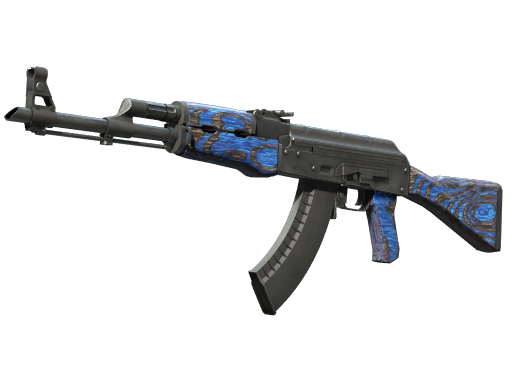
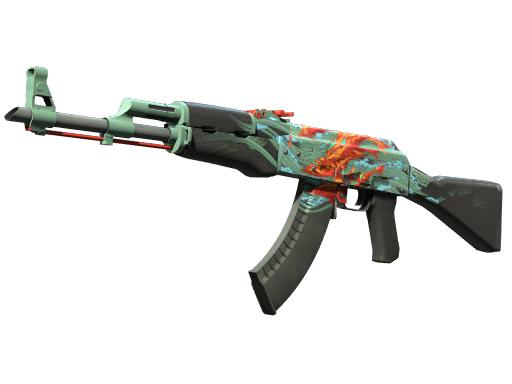
Before purchasing, use integrated inspect features or CSFloat to verify the float value. A 'Factory New' skin with a 0.06 float is significantly different from a 0.001 float. Always check for rare patterns like 'Blue Gems' or specific Fade percentages. Ignoring these details is the most common reason buyers lose money.
6. Executing the Trade Securely
Verify the trade URL and the bot’s account level before completing any offer. Scammers often create 'mirror' accounts that mimic site bots. Official trade bots usually have high Steam levels and years of history. If the bot does not match the one on the checkout page, cancel the trade immediately.
Risks and Common Mistakes
Security requires strict discipline. The most dangerous threat is API Key Phishing, where malicious sites intercept trades by creating fake offers. Regularly revoke your API key if you are not an active seller. Also, be wary of paying extra for 'expensive stickers' on market-price skins; they are often worthless unless you specifically want that craft.
WARNING: Never trust 'fake middlemen' on Discord or Twitter; real marketplaces will never ask you to move skins to a 'verification' account.
Frequently Asked Questions
Why is my skin trade held for 7 days?
Valve implemented the 7-day trade hold to prevent automated bot-based scamming. When a skin moves between accounts, it is locked for one week. This prevents thieves from 'washing' stolen items through multiple accounts before the owner can secure their credentials.
What is the difference between Steam Market and P2P?
Steam Market operates within the Steam ecosystem using wallet balances, often resulting in higher prices due to fees. P2P marketplaces allow direct trades, bypassing trade locks on funds and offering better prices by using the site as a secure escrow intermediary.
How do I check if a skin is a 'Blue Gem' or rare pattern?
Identify the skin's 'Paint Seed' using databases like CSFloat. 'Blue Gem' Case Hardened knives are valued by the ratio of blue to rust. Always verify your specific seed against a trusted community database before paying a premium.